Abbey Gould
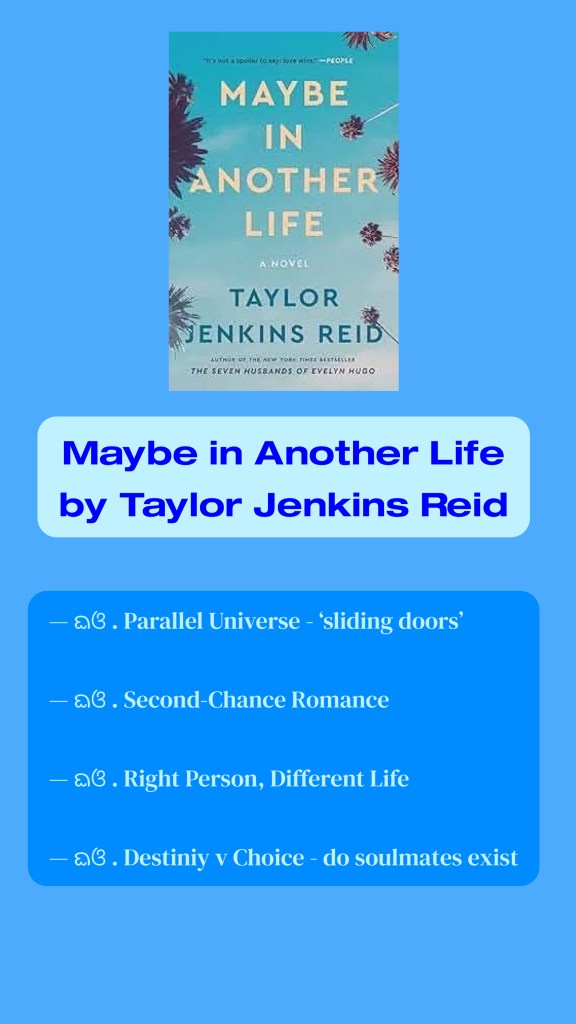
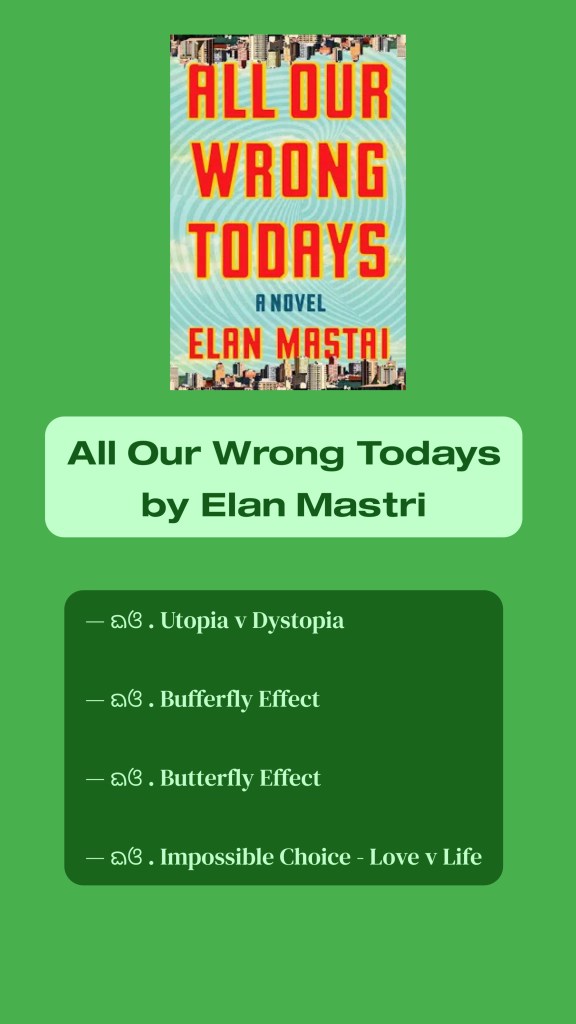
I’m a first-year student at the University of Wollongong studying a Bachelor of Arts and Bachelor of Media and Communication, majoring in English Literature and Digital and Social Media respectively. For my BCM114 Introduction to Making Media class, I am learning about the Three-Stage Development Process for creating a Digital Artefact (DA). My DA is a TikTok page dedicated to providing book recommendations based on popular digital media for school aged students such as TV shows, movies, and video games.
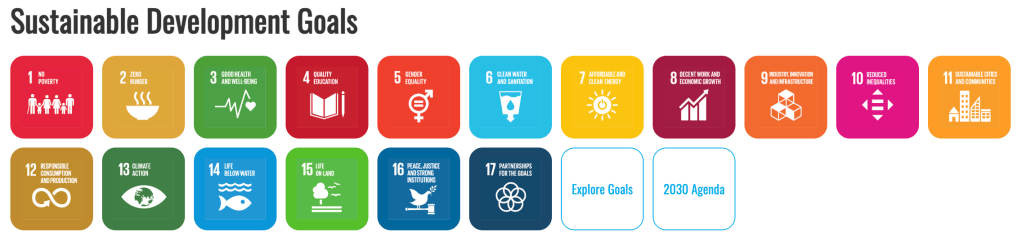
This is aimed at targeting the United Nations Sustainable Development Goal (SDG) of Quality Education, in particular the goal stating, “By 2030, ensure that all youth and a substantial proportion of adults, both men and women, achieve literacy and numeracy” (United Nations 2026).
The Annual NAPLAN Report (2026) found that one-third of Australian students are failing to meet the required literacy proficiency requirements. My DA intends to address this by promoting reading for enjoyment, incentivising youth to pick up books based on digital media they are already familiar with. A Remixed Media approach was employed as the framework, stitching fan-edits of popular TV shows, movies, and video games in this age group, and providing book recommendations based on the edit focus. The purpose is to remove the problem of individual autonomy and agency as the main way of discovering books, a person only picking up reading as a hobby through their own desire. The target audience is youth that don’t want to read due their only interaction with it being set curriculum readings, or don’t know how to get started with it.
The first step in the DA development process was ideation, and this is where majority of the research and observation occurred. To ensure adequate connection to my chosen SDG, quality education, research was integral. The UK Publishers Association (2022) found that close to two-thirds of the 16-25 years olds they surveyed discovered a passion for reading through BookTok, and additionally 68% stated that they were inspired to read a book that they would not have looked for independently. As further suport, a representative survey consisting of Australian secondary school students reported that the one of the main sources of book recommendations for youth is through liked movies, TV shows, or video games they had previously interacted with (Rutherford et al. 2024). Furthermore, social cohesion and peer dynamics have been found to greatly impact young students perception of reading as a hobby (Cain & Hattie 2020). Booktok is an internet subculture that is made by youth for youth and as a result has seen positive results in new readers (Jerasa & Boffone 2021). These findings helped contextualise and support my DA idea and its connection to my SDG, as I hoped to combine both BookTok and popular digital media such as the ones stated to encourage reading in this target audience.
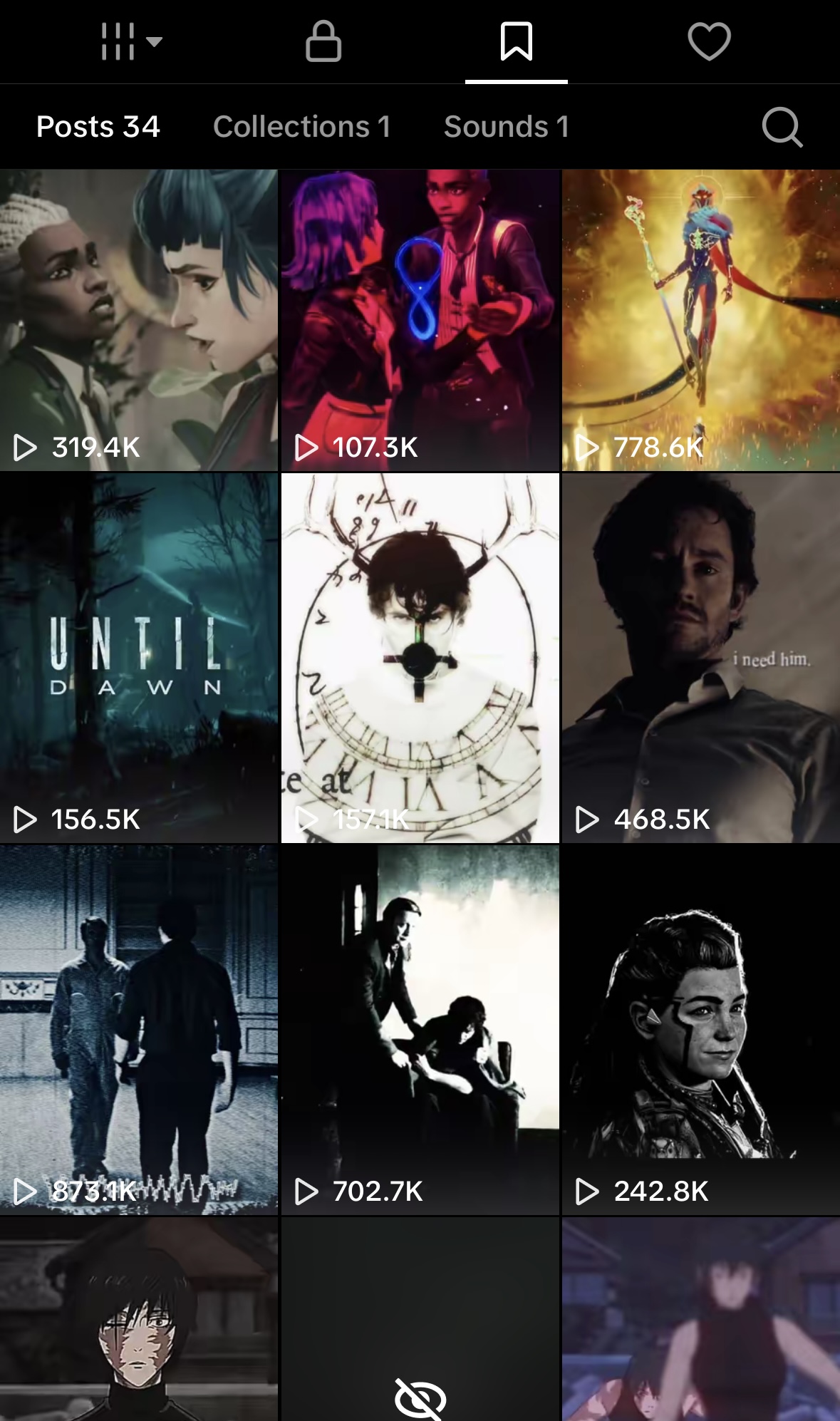
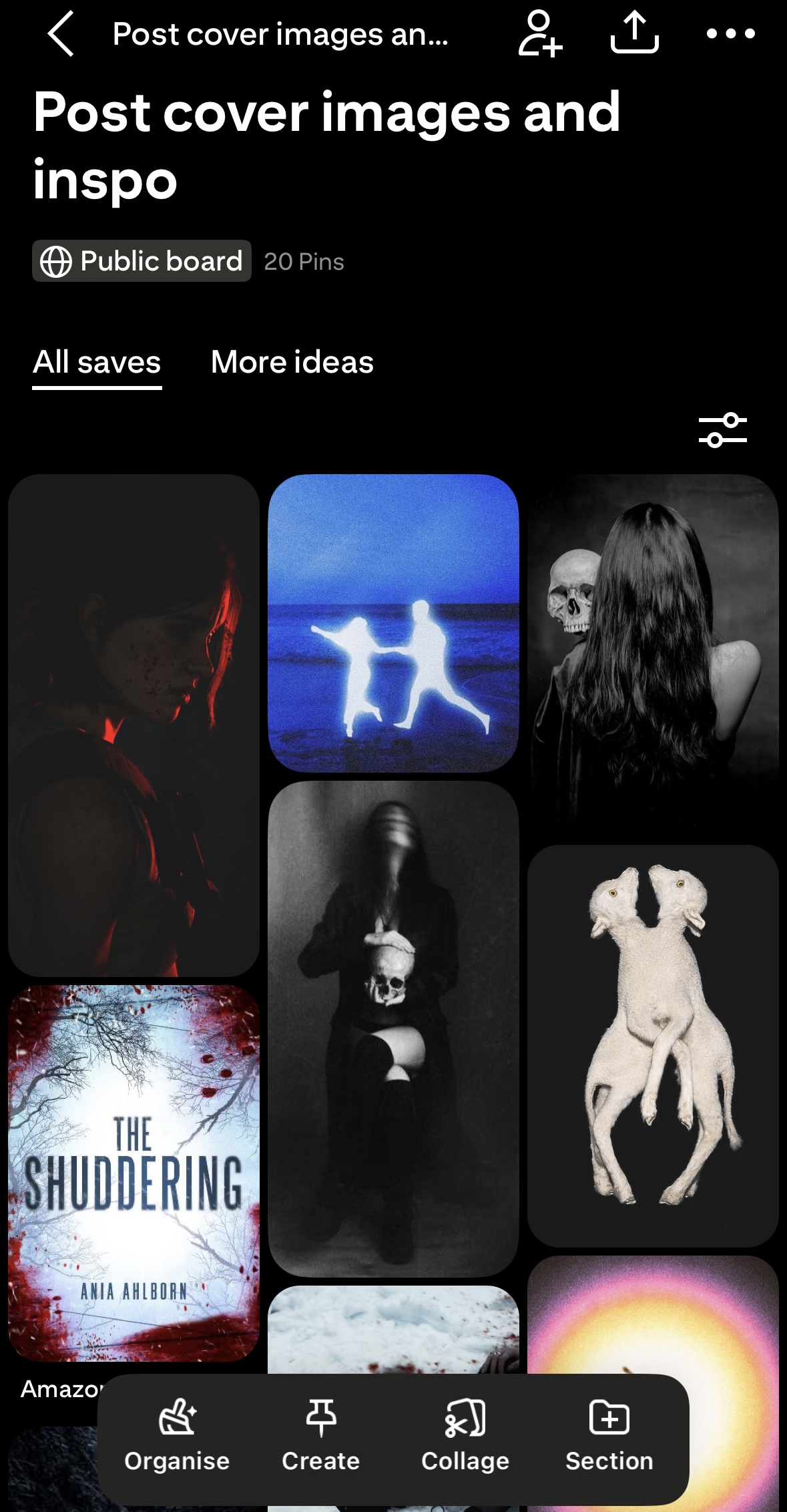
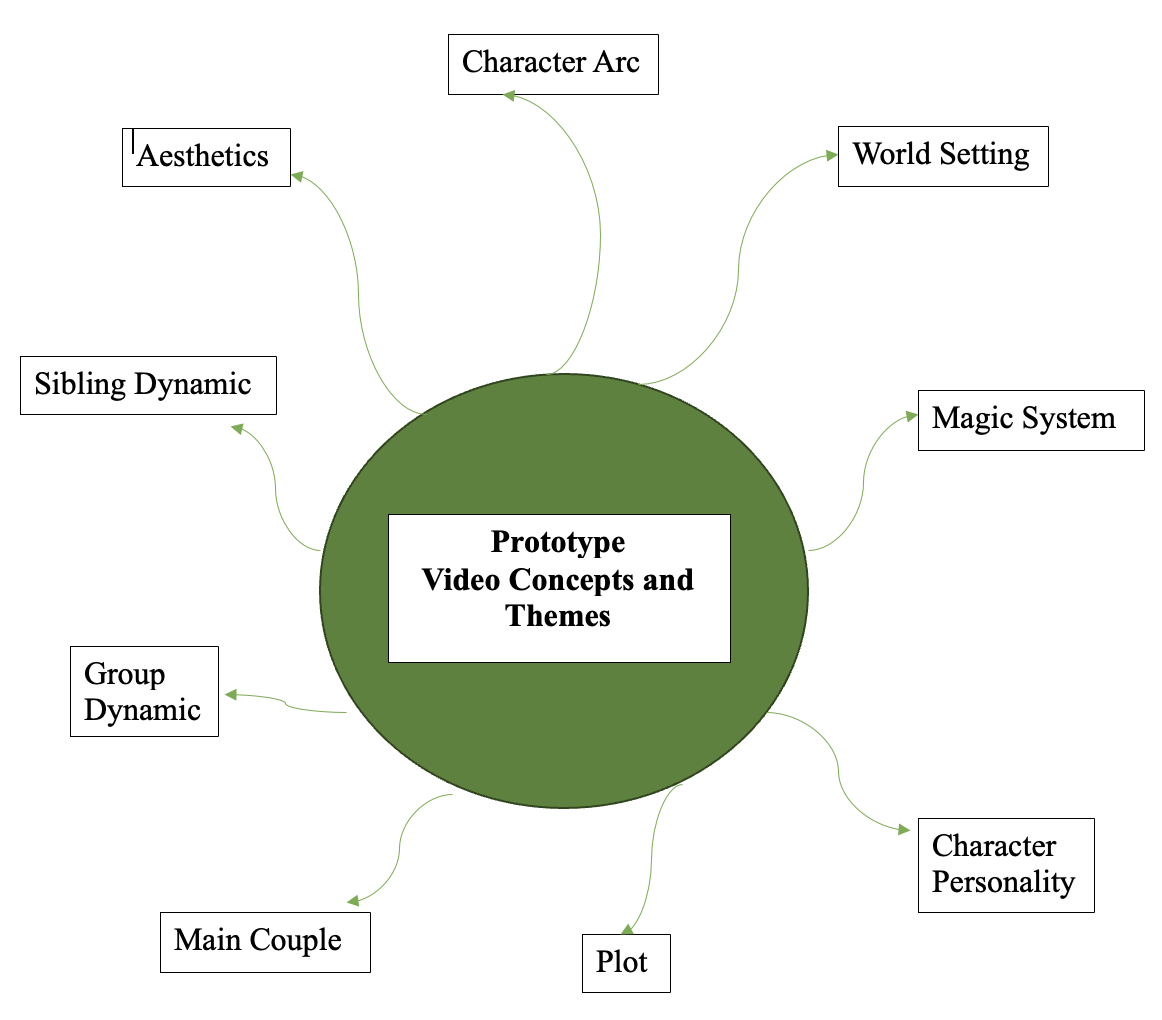
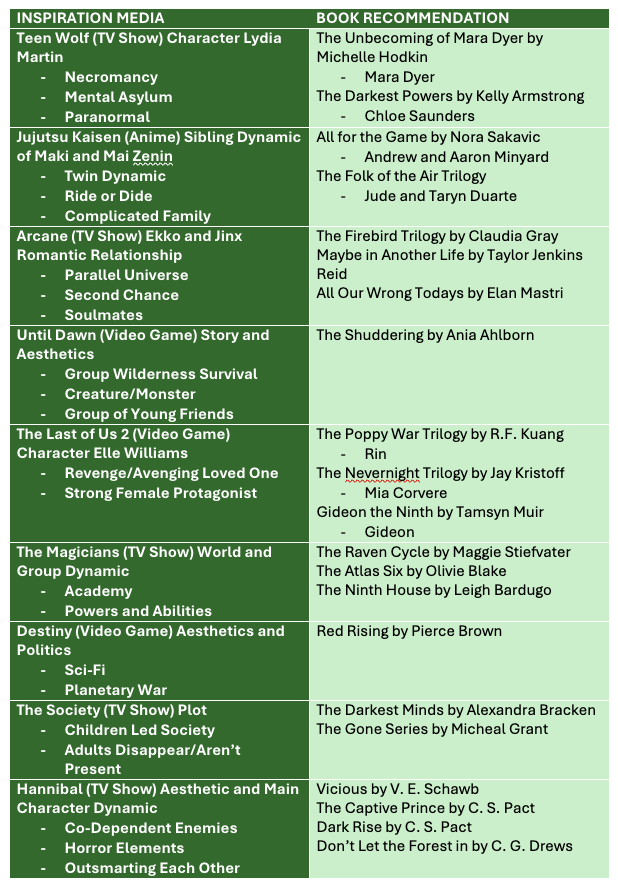
Next I employed the technique of observation for planning out my prototypes. Here I placed myself as my audience, searching other profiles and videos for inspiration on Booktok. This was great in formulating a range of video techniques to try out and test regarding audience engagement such as; in person long-form, short-form mood boards, and voice over text videos. Furthermore, during observation there were no videos or profiles that I discovered or viewed that employed the Remixed Media framework regarding fan-edit stitches. This reiterated that my DA seemed to be original and may work as a good method for the intended target audience and SDG due to its novelty. Additionally, I kept Kelly’s (2008) ‘Eight Generatives Better Than Free’ in mind when formulating my DA aesthetics and goals, specifically regarding immediacy, personalisation, and findability. The posts should be readily accessible and personalised, allowing these book recommendations to be found when a particular TV show, movie, or video game is searched. Here I made mind maps and category tables to better visualise the connections I wanted to make between the subjects of each videos. This was effective in prioritising and targeting the key concepts Kelly (2008) mentioned.
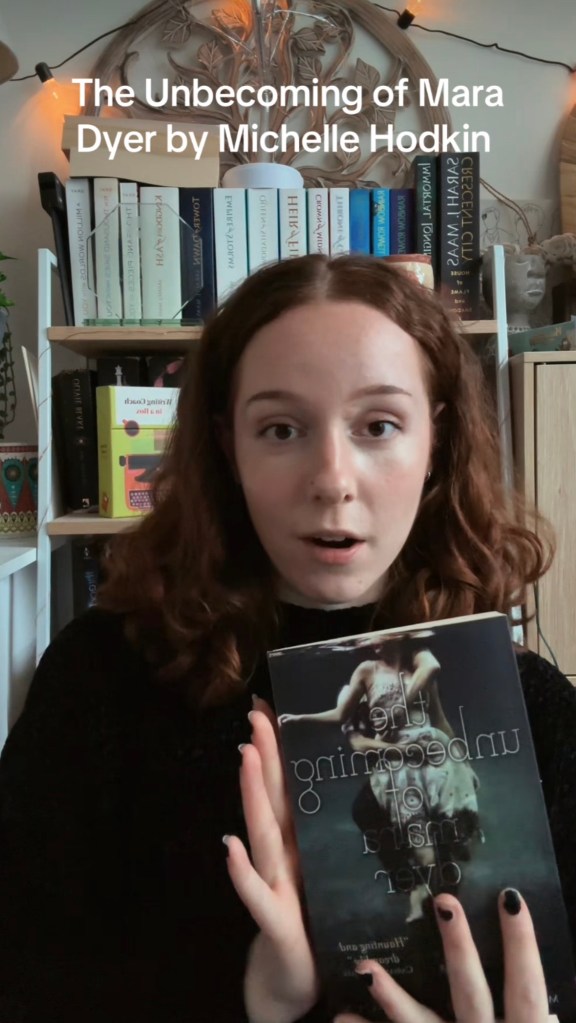
Schell’s (2020) was a helpful in giving direction during the prototyping and testing phase. One of the author’s tips is to parallelise prototypes productively and this was employed during my posting on TikTok. As mentioned previously, there were multiple video layouts and formats that I wanted to test to determine which was the most optimal for engagement. As such, these prototypes were tested against each other, being posted consecutively. Though watch time and views performed better in the shorter mood board videos, engagement and interaction performed better on the in-person long form videos. As such, the next step of drafting a prototype would be to experiment with a shorter length in-person video, as that includes aspects of both video formats. This is a great way to test prototypes against one another productively, and something I will continue to utilise.


However, there was a problem specific to my framework of Remixed Media and utilising TikTok stitches. Unlike a normal TikTok video, stitching majorly impacts the tools available In post video editing. For example, there is no ability to cut videos together, upload external videos, add transitions, or even pause and jump to specific portions of the video for editing. This unfortunately impacted both the quality and time consumption of each video. To combat this, I used external apps such as SCLR to get pictures to use as backgrounds and used the greenscreen TikTok filter while filming voice overs live instead of in post-production. This was an important lesson in adaption and undertaking a different approach to still achieve a desired result.

An important tool in the process of formulating and developing a DA is feedback. Students were instructed to record a 25-minute peer discussion video with 4-5 students In the same class, discussing key points, complications, and strengths of our development process. This was an enlightening experience, and the group discovered we had very similar complications. Time management and perfectionism were the main complications that each of us ran into multiple times throughout each stage of the three-stage development process. Observation and research were key strengths across the board, particularly in the ideation phase in our DA’s design and conception, however a barrier was the time spent here and removing the idea that the DA needed to be perfect. Too much focus was placed on the final product leading to less opportunity for audience feedback and prototyping refining. Each of us agreed that this is a lesson to take into the next round, leaning into the failures as opportunities to learn.
The key takeaways from this first round of DA development is to manage my time better going into the next round and to not get caught up in a ‘perfectionism’ mindset. The time management of my posting was poor, and this resulted in less opportunity for visibility and growing an audience. As a result, my prototyping and testing phase were negatively impacted as it provided fewer chances for feedback and comparison of analytics ad engagement. In terms of the efficiency in which my DA targets my chosen SDG of quality education, the foundation of research and observation I based my DA on is definitely strong. With better time management, and a longer timeline in general, I do believe that my DA has the potential to target the desired target audience and focus on one of the key issues underpinning lack of reading in this age group which is enjoyment of reading as a hobby. The concept and novelty of the framework I employed, as found during the initial observation and research phase, highlights that the DA may be a good alternative to addressing the barriers underpinning the selected SDG. However, at the current moment at the end of round one, no I do not believe my DA has met the needs of the chosen SDG. The restraints on time management was a major limitation. As stated previously, this was a weakness to accumulating an effective amount of interaction and engagement, and as such it is hard to determine whether in the DA is well constructed in practice.
An unexpected result of this process allowed me to understand how social utility develops communities and belonging. The ‘Booktok’ community is full of aspiring authors, avid readers, and new readers. I’ve learned that this is where majority of the interaction and engagement comes from. Booktok is primarily led by youth for youth, so this peer interaction and community is where a vast majority of the magic happens (Jerasa & Boffone 2021). The UK Publishers Association (2022) supports this claim further with the survey finding nearly one-in-five students found community and friends through Booktok. As a result, social utility is not just how an audience engages with the DA content but also how they interact with each other and the author of the page/profile. This is something I will address next round, adding the factor of online community into my ideation and prototyping phases.
My main advice to someone starting a similar project is to draft a timeline to stick to in this beginning as time management was something I underestimated during this process. Additionally, don’t be afraid to fail, perfectionism kills opportunities for feedback and growth. It is in your failures that you learn the most important lessons.
References
Australia Curriculum Assessment And Reporting Authority 2026, NAPLAN National Results, Australian Curriculum, viewed 15 August 2026 <https://www.acara.edu.au/reporting/national-report-on-schooling-in-australia/naplan-national-results>.
Cain, T & Hattie, J 2020, ‘Attitudes to school and reading achievement among secondary school students’, The Australian journal of education, vol. 64, no. 1, pp. 5–24.
Jerasa, S & Boffone, T 2021, ‘BookTok 101: TikTok, Digital Literacies, and Out-of-School Reading Practices’, Journal of adolescent & adult literacy, vol. 65, no. 3, pp. 219–226.
Kelly, K 2008, The Technium: Better Than Free, KK.org, Viewed 15 August 2026 <https://kk.org/thetechnium/better-than-fre/>.
Publishers Association UK 2022, The BookTok Generation: How social media is transforming Gen Z reading habits, Publishers.org.uk, Viewed 15 August 2026 <https://www.publishers.org.uk/the-booktok-generation-how-social-media-is-transforming-gen-z-reading-habits/>.
Rutherford. L, Singleton A, Reddan, B, Johanson, K, & Dezuanni, M 2024, Discovering a Good Read: Exploring Book Discovery and Reading for Pleasure Among Australian Teens, Geelong: Deakin University.
Schell, J 2020, The Art of Game Design: A Book of Lenses, Third Edition 3rd edition., CRC Press, Milton.
United Nations 2026, Goal 4 | Department of Economic and Social Affairs, United Nations, Viewed 15 August 2026 <https://sdgs.un.org/goals/goal4#targets_and_indicators>.
 Abbey Gould