Round 2 DA Abbey Gould
Loneliness is an influential factor for the prevalence of poor mental and physical health and general wellbeing in a population (Thompson et al 2024). Young Australian adults are an at-risk group for loneliness and persistent loneliness, loneliness felt for at least two years, with more than two in five and one in seven individuals reporting these feelings respectively (Lim & Smith 2025). It is important to identify protective factors for the development and persistence of these negative feelings, two systematic literature reviews finding positive links between predominance of meaningful adult friendships and hobbies as a way to combat this (Pǎtrașcu &Vaida 2025; Pezirkianidis et al. 2023). My Digital Artefact is an Instagram page aimed at addressing these protective factors, dedicated to providing social and interactive outdoor events and club recommendations around Sydney for young adults. The framework for this Digital Artefact was local media exploring the area of Sydney and what it has to offer. Further, the Sustainable Development Goal (SDG) from the United Nations (2025) that was being addressed was SDG 3; Good Health and Wellbeing.
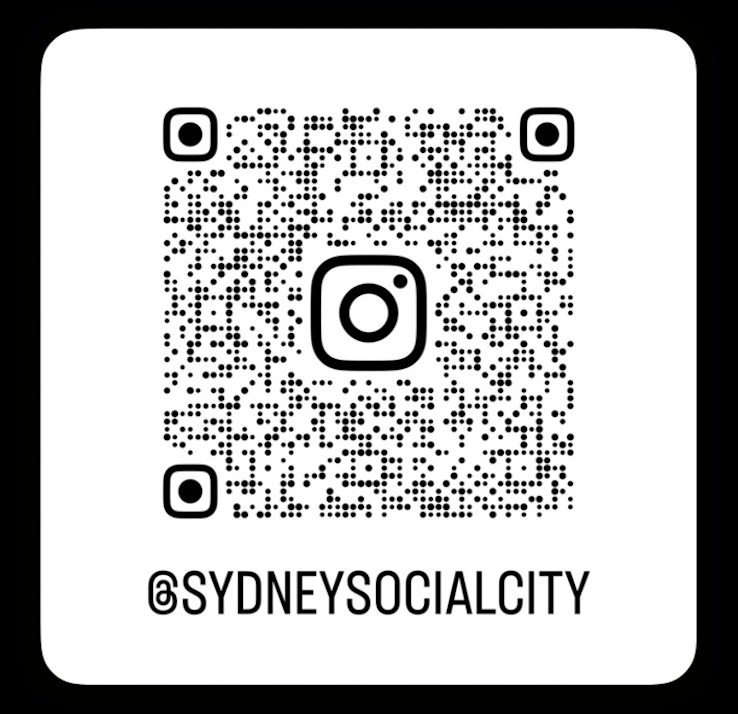
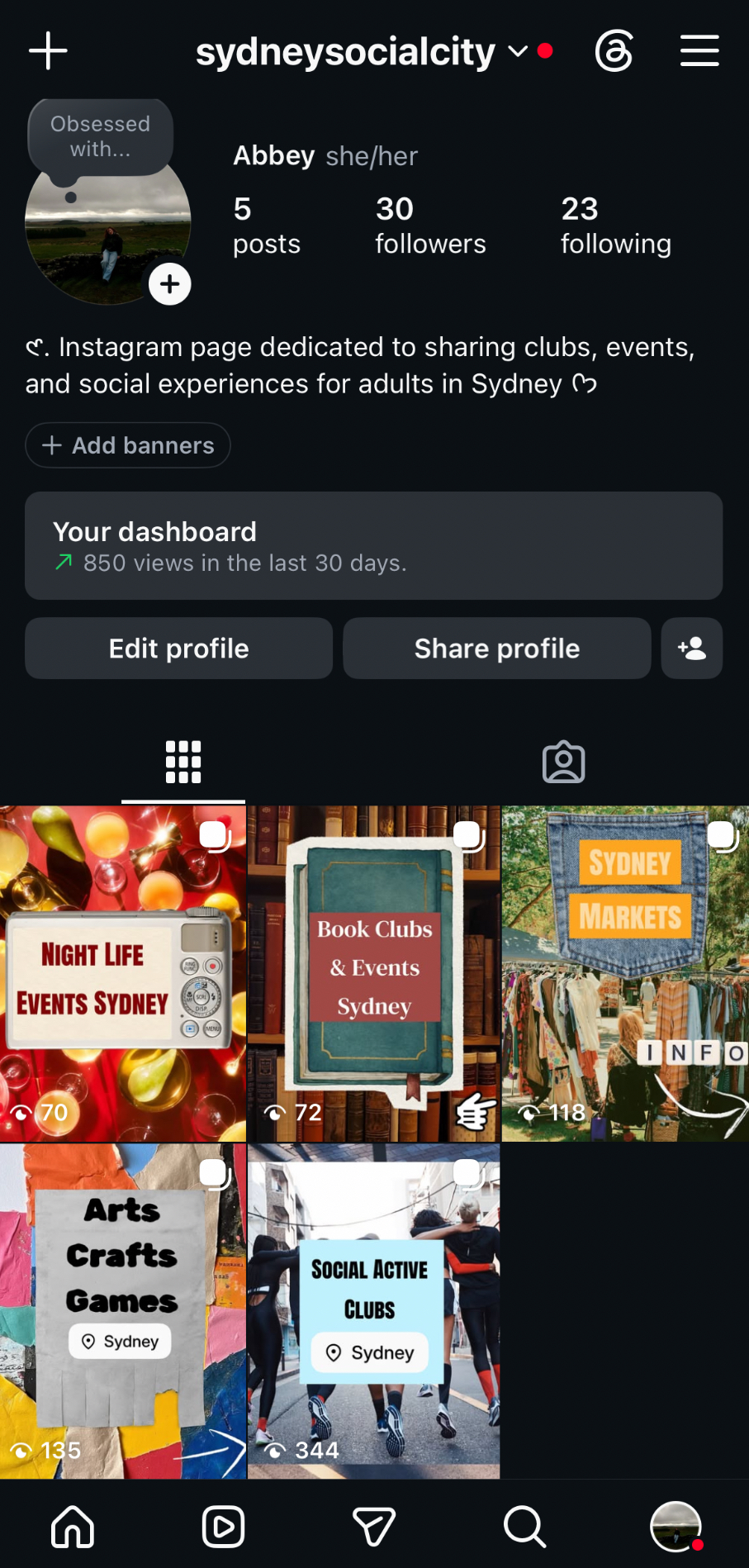
Digital Artefact @sydneysocialcity
The developmental process for achieving this end result involved work at each stage of progress; ideation, observation, prototyping, and testing, with focus on a new adaption catalyst each week for a steady and natural progression. By discussing this developmental process in detail, I hope to give the audience an understanding of the goal of my Digital Artefact and the lessons I learnt through identifying complications, workshopping, and achieving solutions. This will provide those thinking of exploring the same framing theme of Local Media or SDG of Good Health and Wellbeing with a realistic perception of the developmental process and how each stage looks in the example of my own work.
Stage one of the developmental process in creating my Digital Artefact was ideation. Though this is a stage that continues to occur and evolve throughout the process, in its initial phase this involved brainstorming and observation of other digital artefacts that link to the chosen framing theme of Local Media. Using Gonçalves and Cash’s (2021) research on the eight idea archetypes for ideation, I primarily utilised the ideas of Combinatorial (conceptual combination) and Tangent Ideas for structure. For Combinatorial, I employed observation, gathering inspiration from pages, platforms, post types, and aesthetics. Here I looked at Influencers on Instagram, event websites, event blogs, and TikTok pages, some of the main sources of inspiration are linked below.
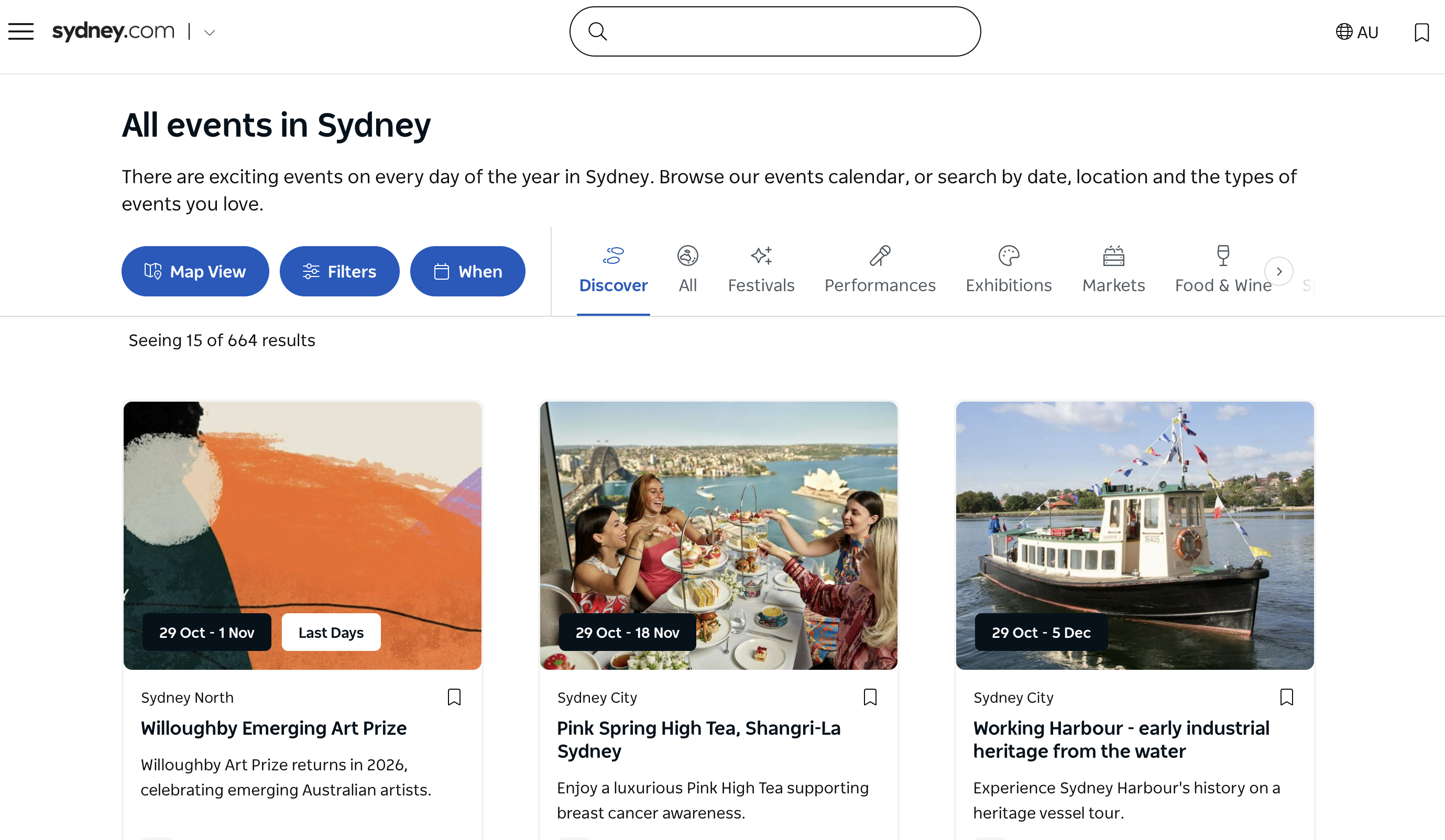
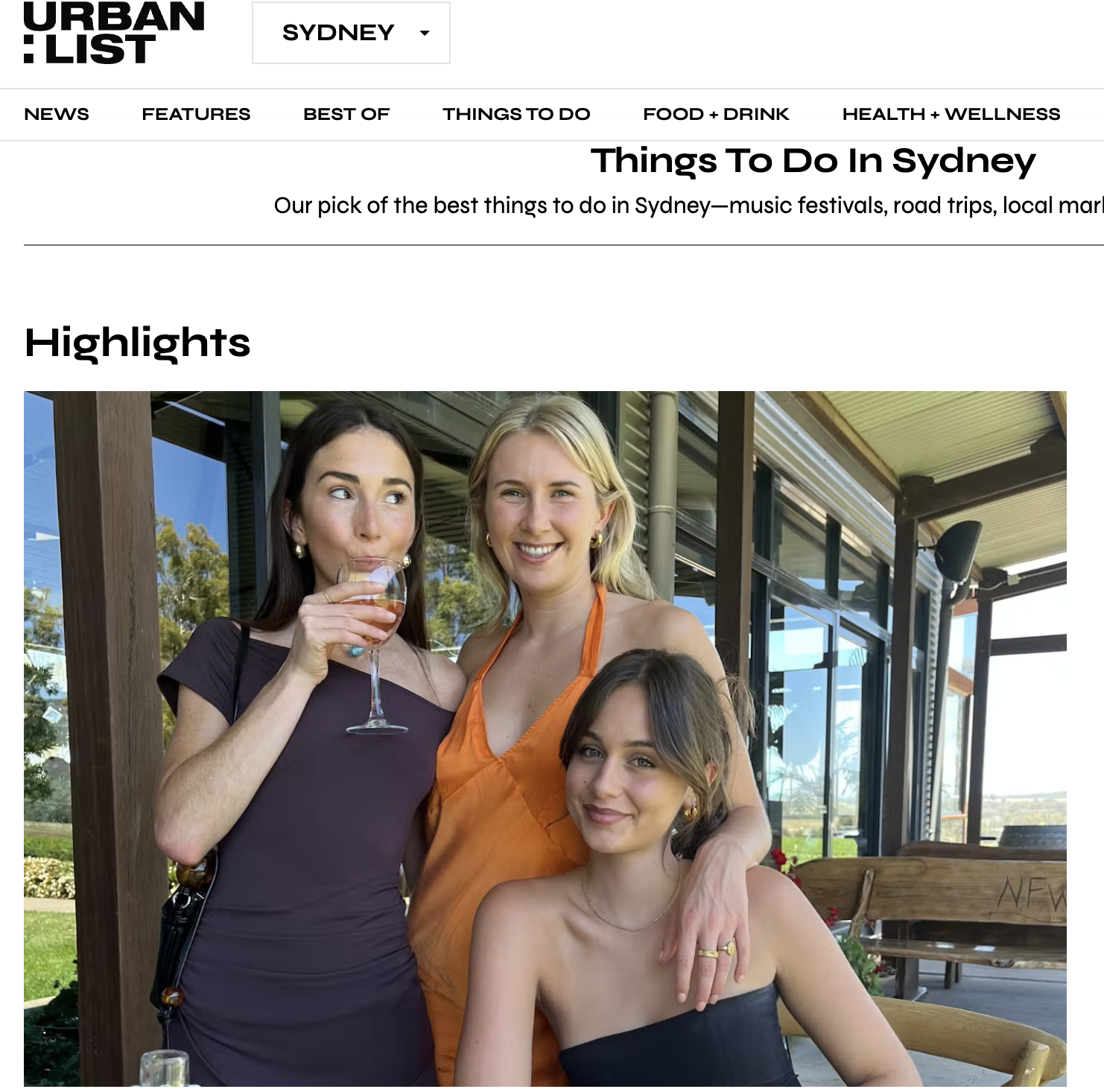
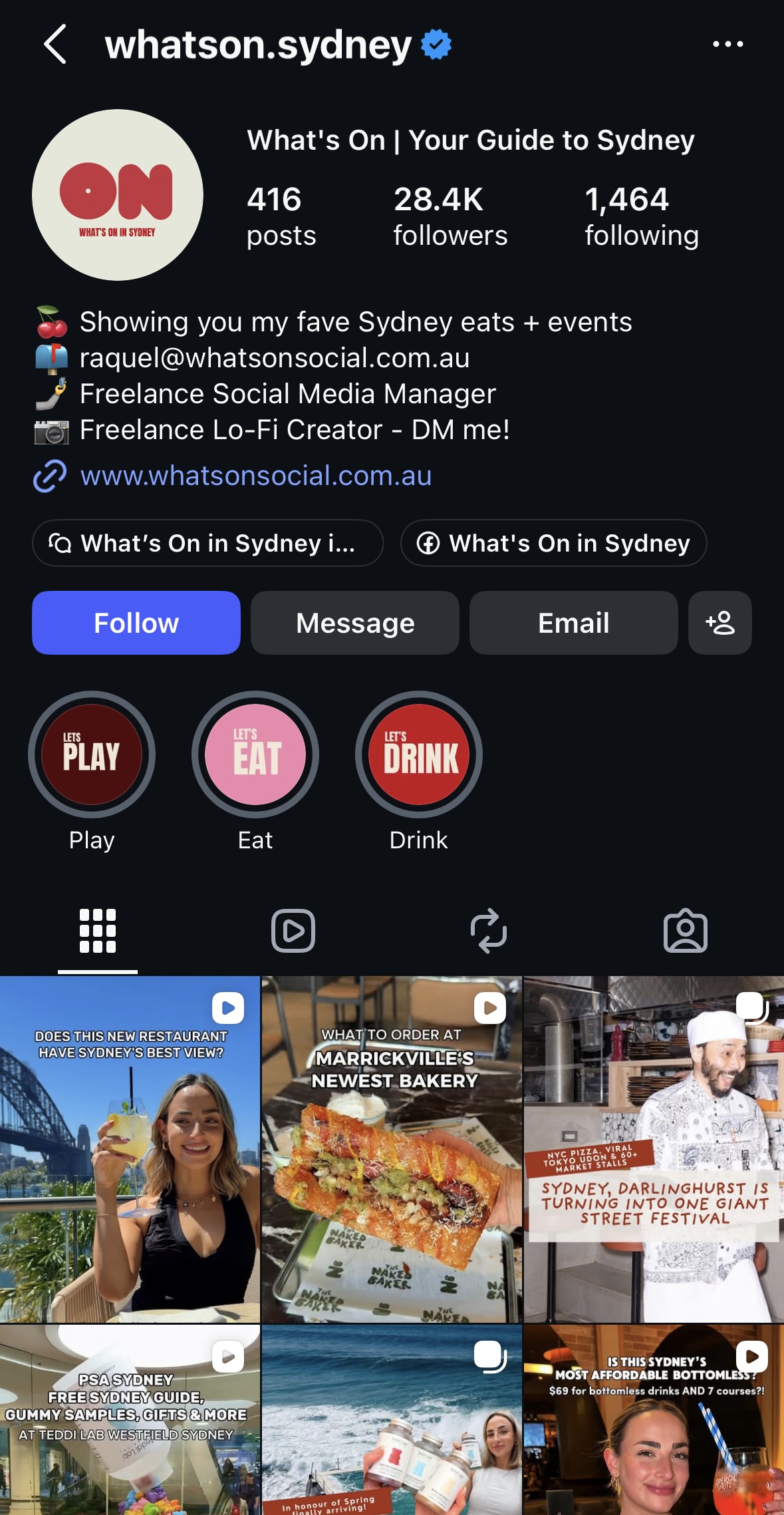
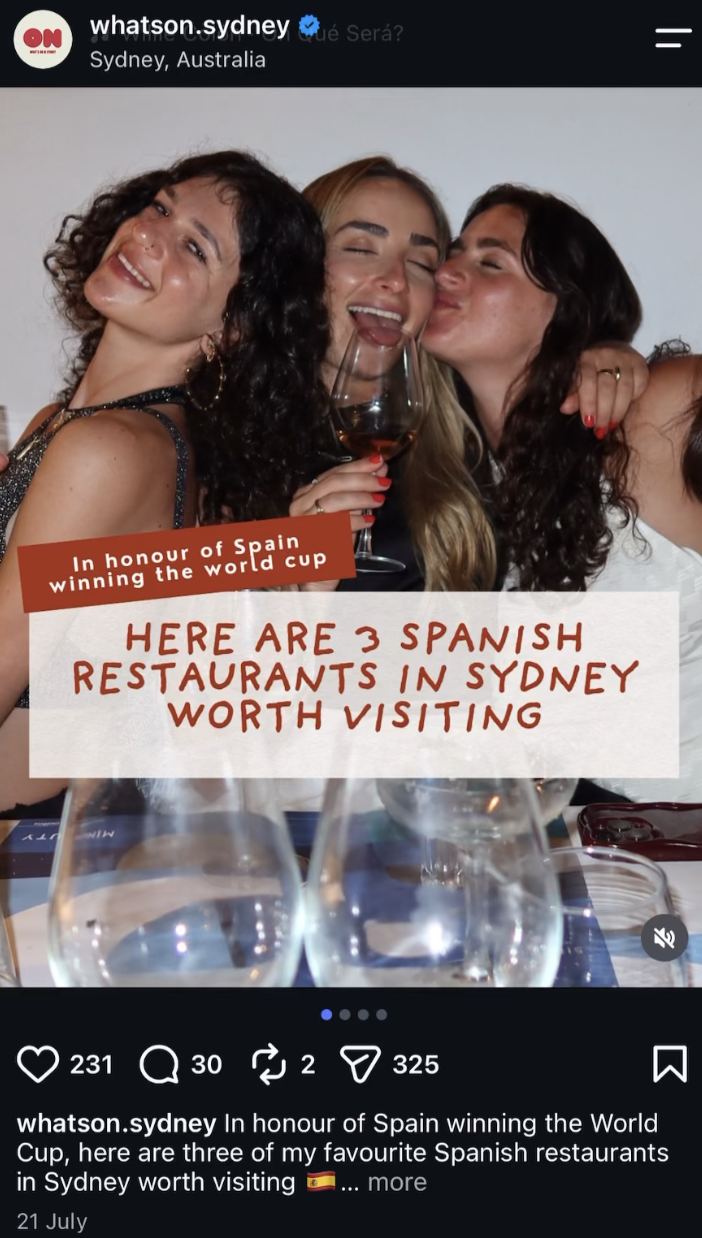
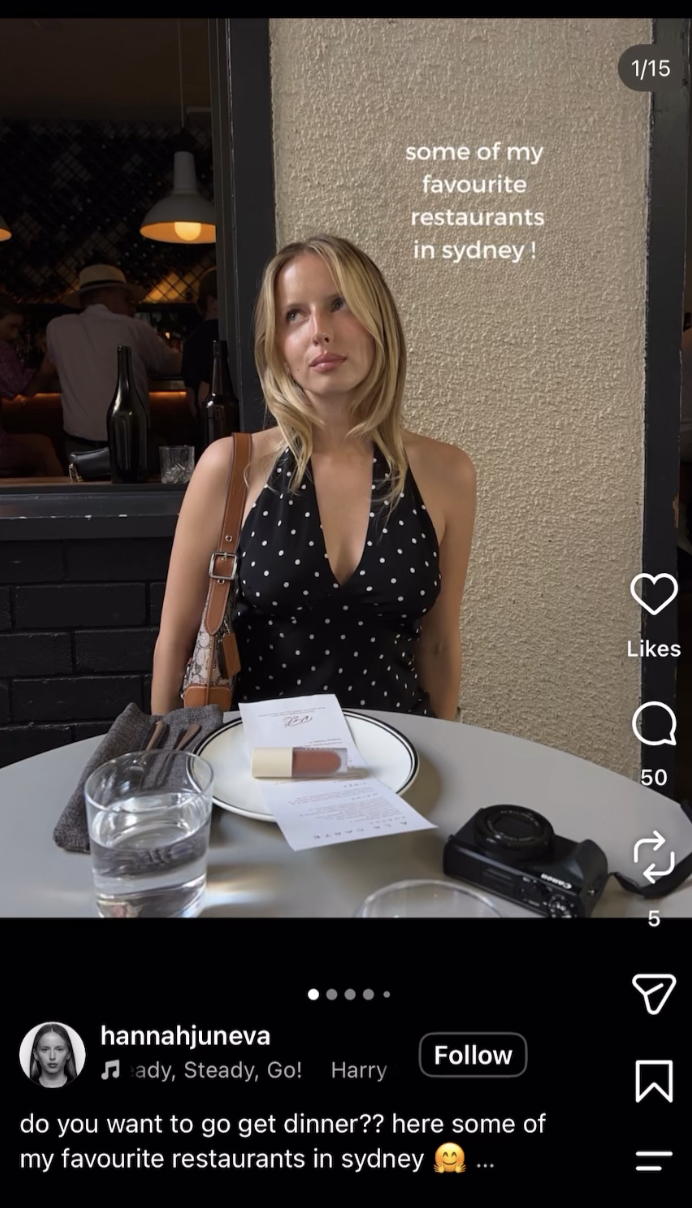
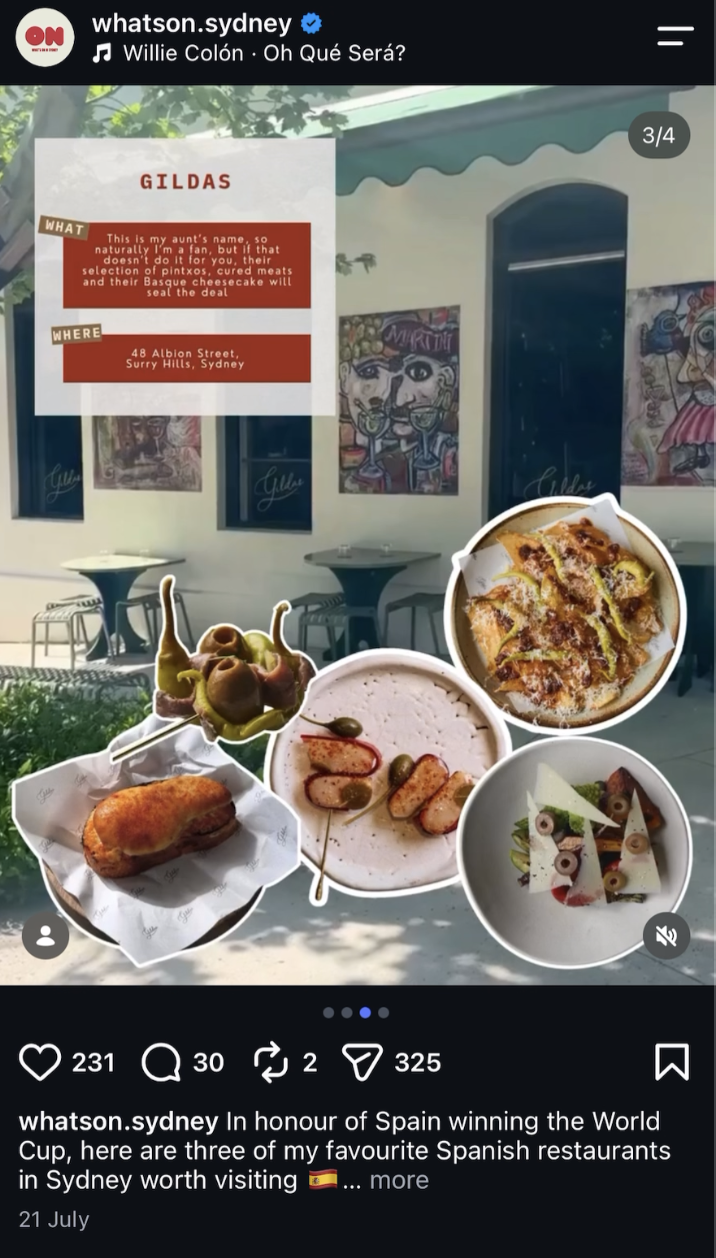
This then flowed into the next set of ideation utilising the framework of Tangent Ideas, I created lists for three potential platforms to host my Digital Artefact, outlining the pros and con of each example as shown below. In this stage, I also shared this list with friends and family, asking which platform and post type they were mostly likely to engage with relating to local event information around Sydney, and the vast majority chose Instagram. In light of brainstorming and external feedback, I decided on an Instagram page due to the support for my audience type, time and resource restraints, and overall familiarity with the app with it still being a different platform to investigate compared to round 1.
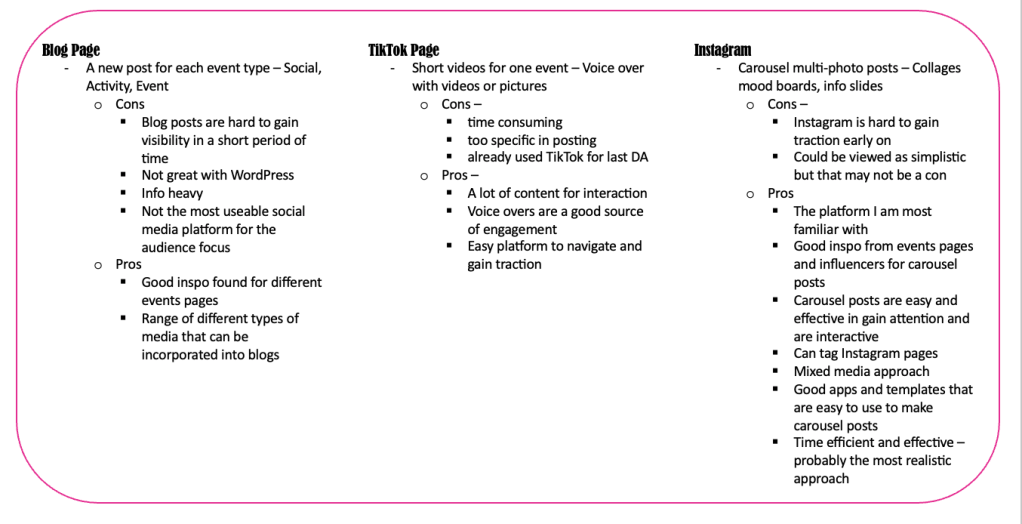
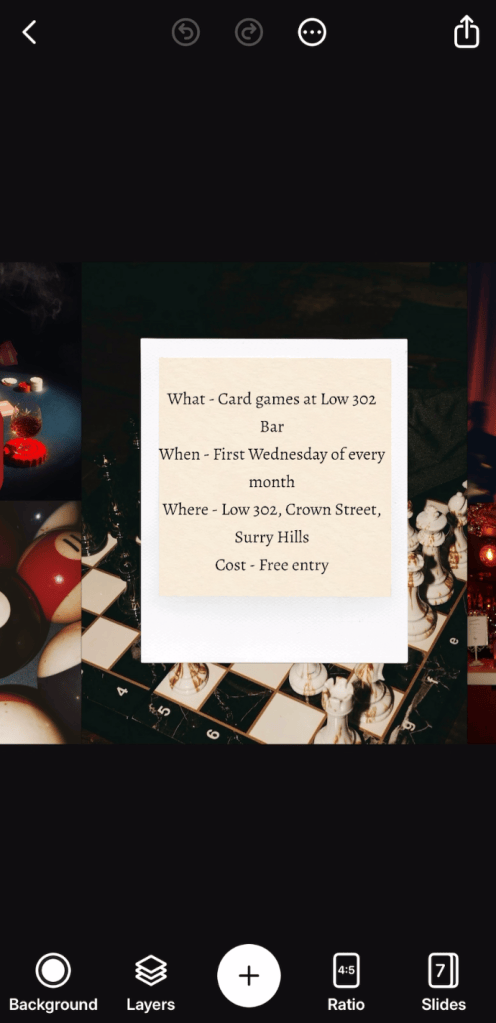
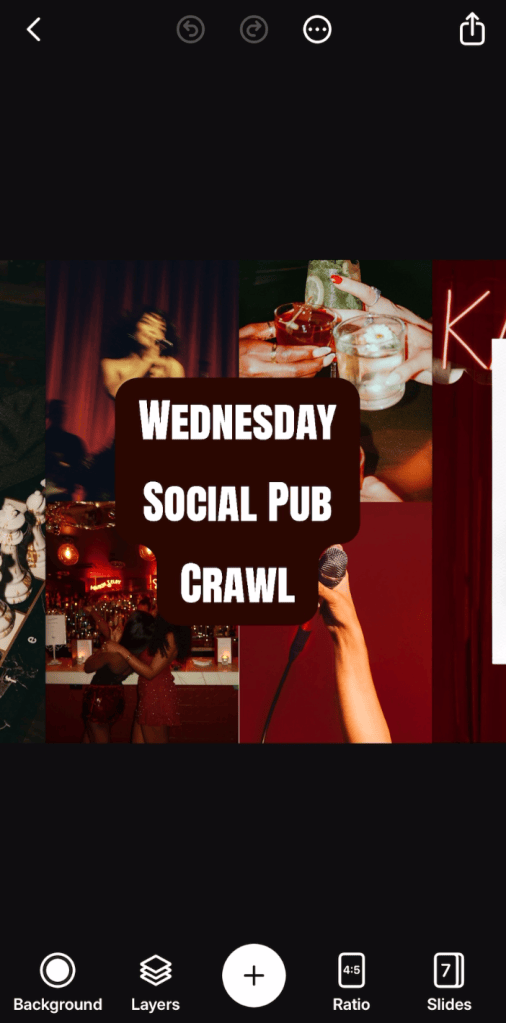
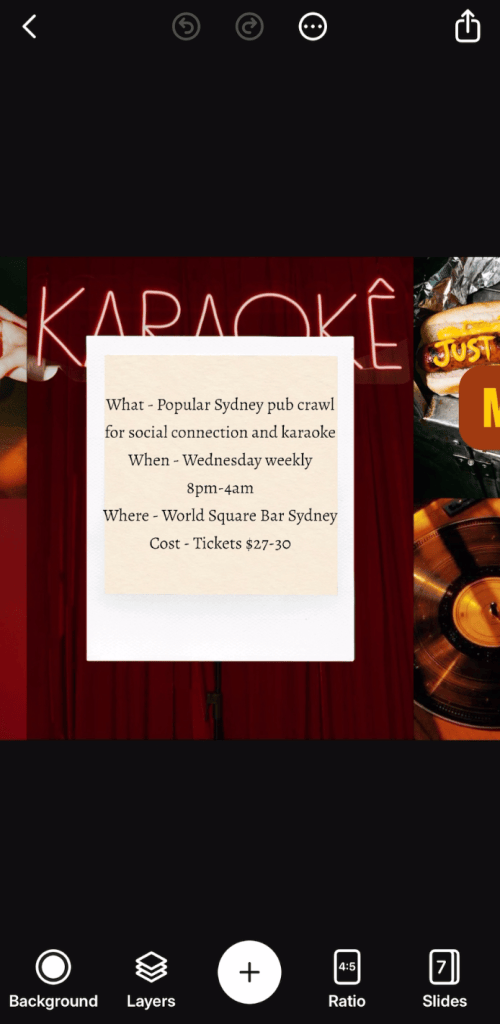
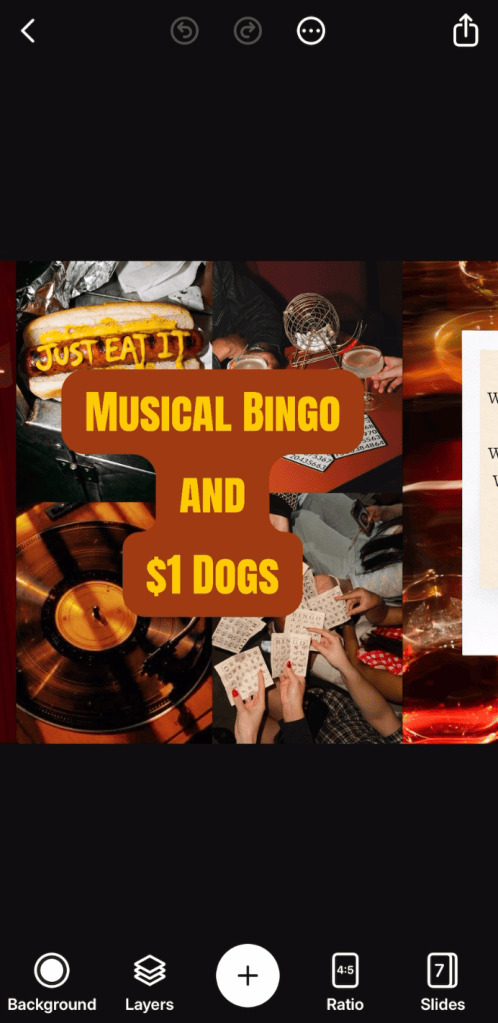
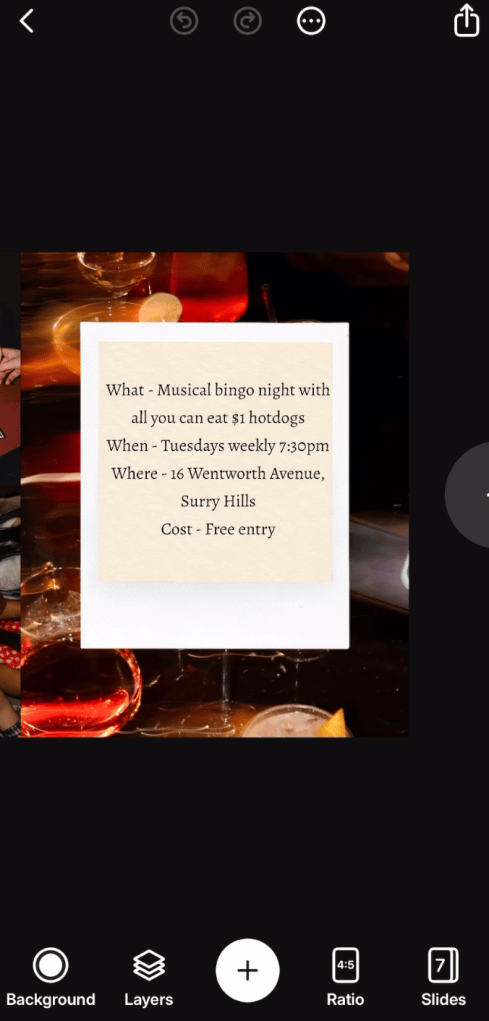
After establishing the platform, the prototyping and testing phases began. Carousel posts seemed to be the best option for a combination for information and user-friendly engagement, while still having ample room for creative freedom and aesthetics (Figlow 2025). During these stages, Kelly’s (2023) Eight Generatives for digital media was a driving force in the conception of the Digital Artefact I wanted to achieve. Working in the lens of the Personalisation, Findability, and Accessibility Generatives, this is how prototype posts were created and developed. Local media as a framing theme allowed for a more personalised and accessible Digital Artefact. With the focus only being on Sydney as a location it allowed for a cleaner and more purposeful way of expressing the chosen SDG of Good Health and Wellbeing with a Meso, community level reach and goal. In the previous observations of other events pages and influencers, a mood board approach was taken, with collage photos depicting the vibe of the specific event or activity first, followed by a short info page layout showcasing key information such as location, cost, and date and time. For these collages, Pinterest mood boards were created to organise post ideas and assess aesthetics of photos against one another for a clean look. Additionally, to organise the information on each event and club I collected, I created a table which included event name, type of event, key information, and website and social media to link in the post and description for better accessibly.
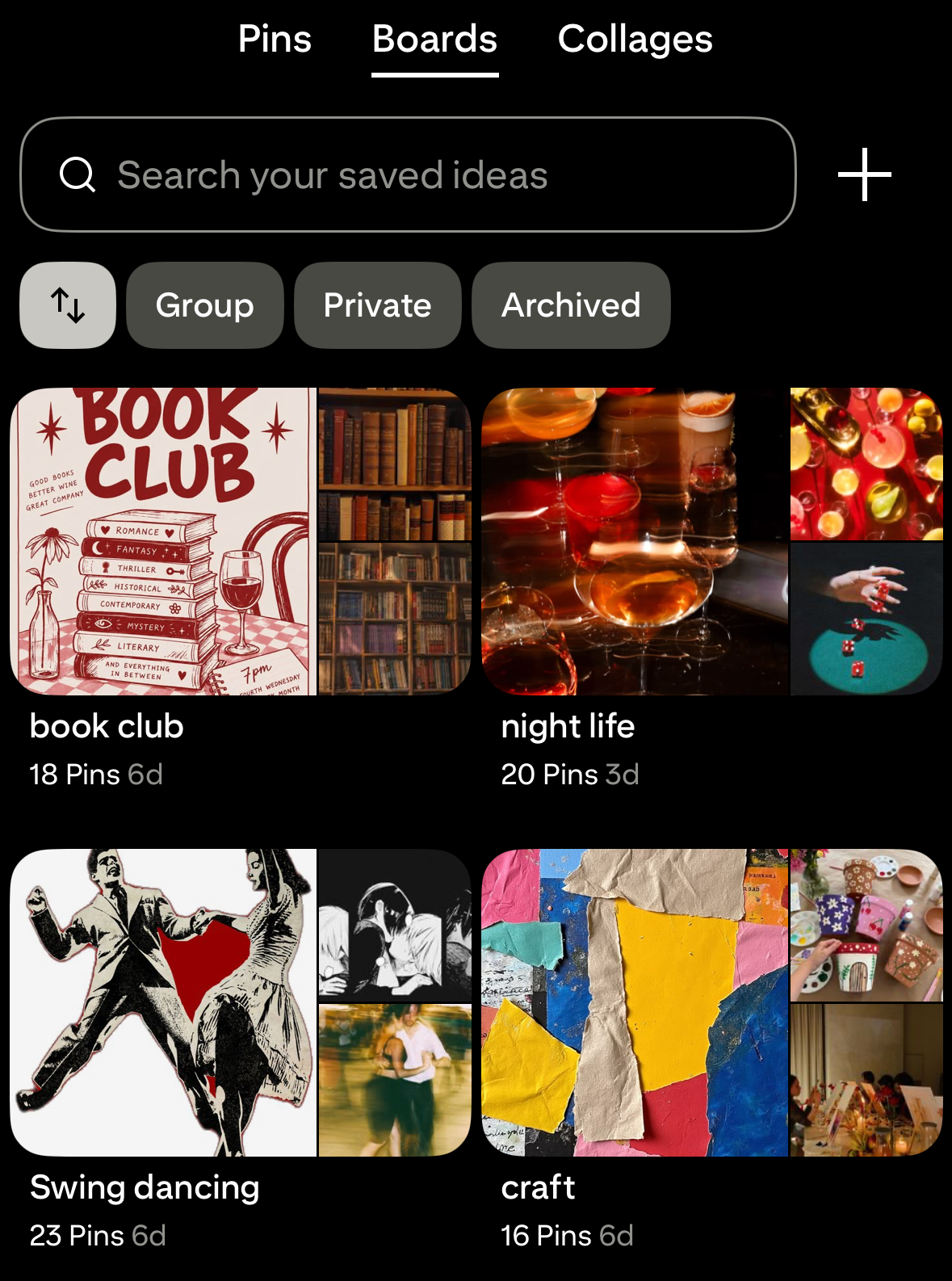
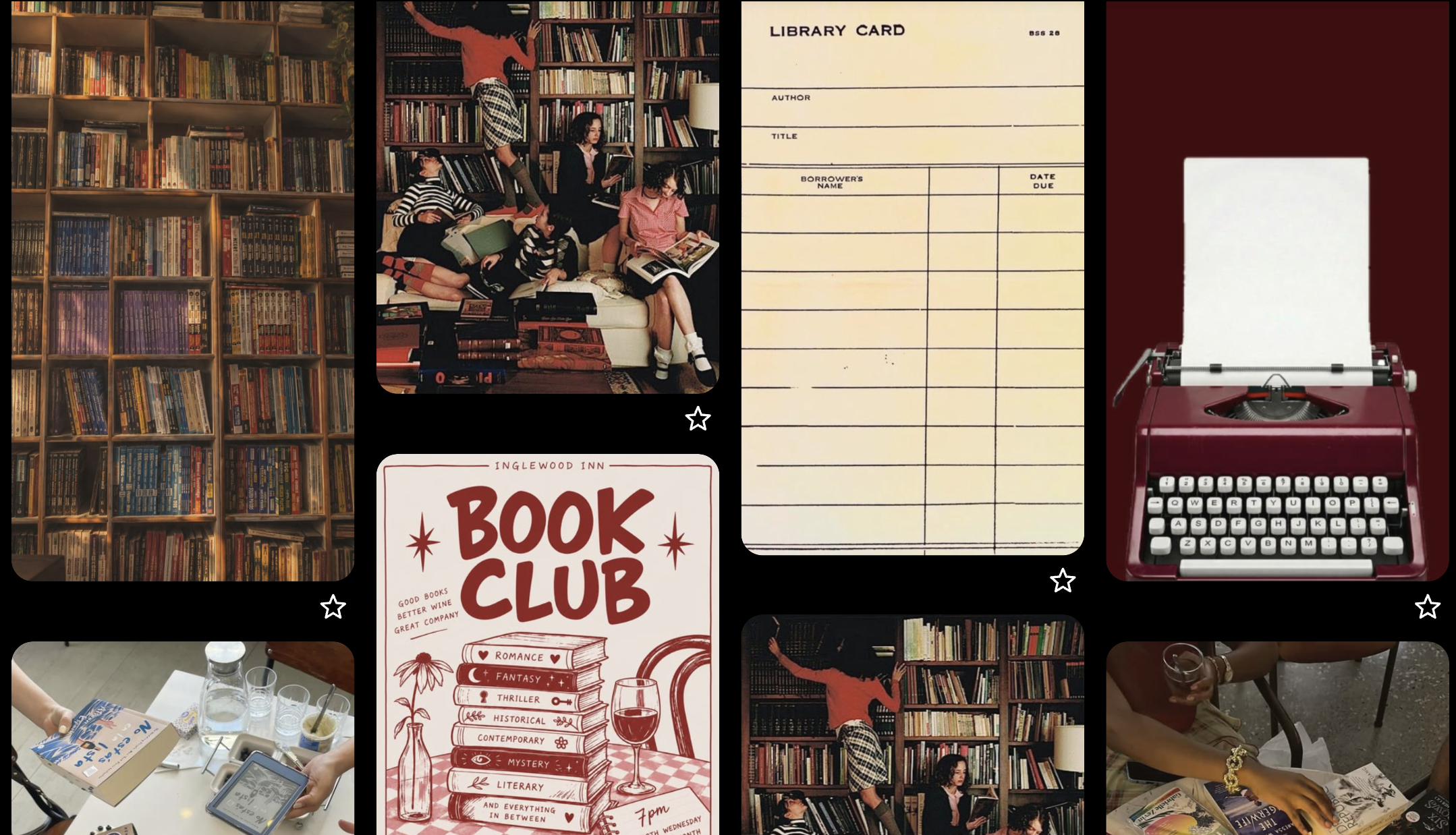
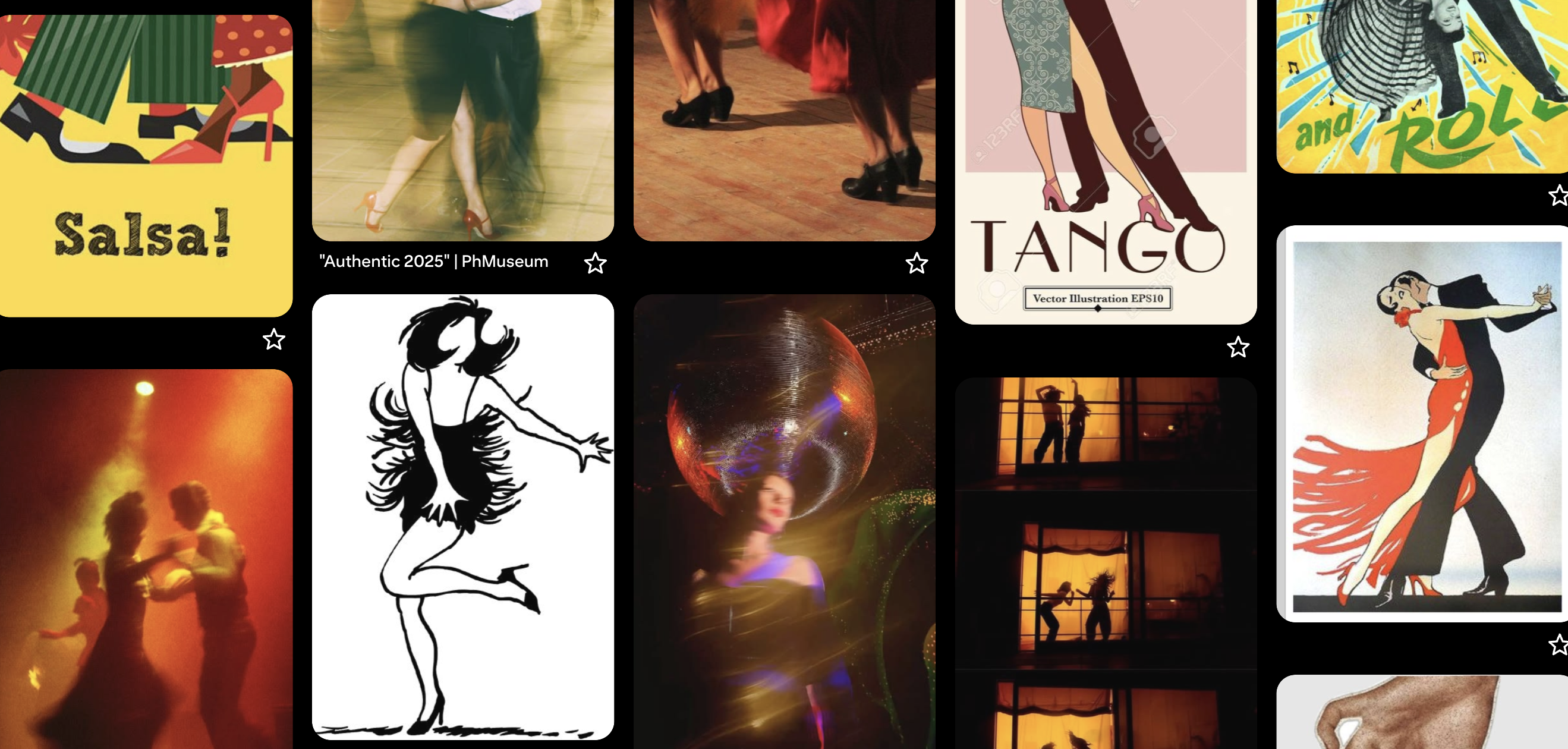
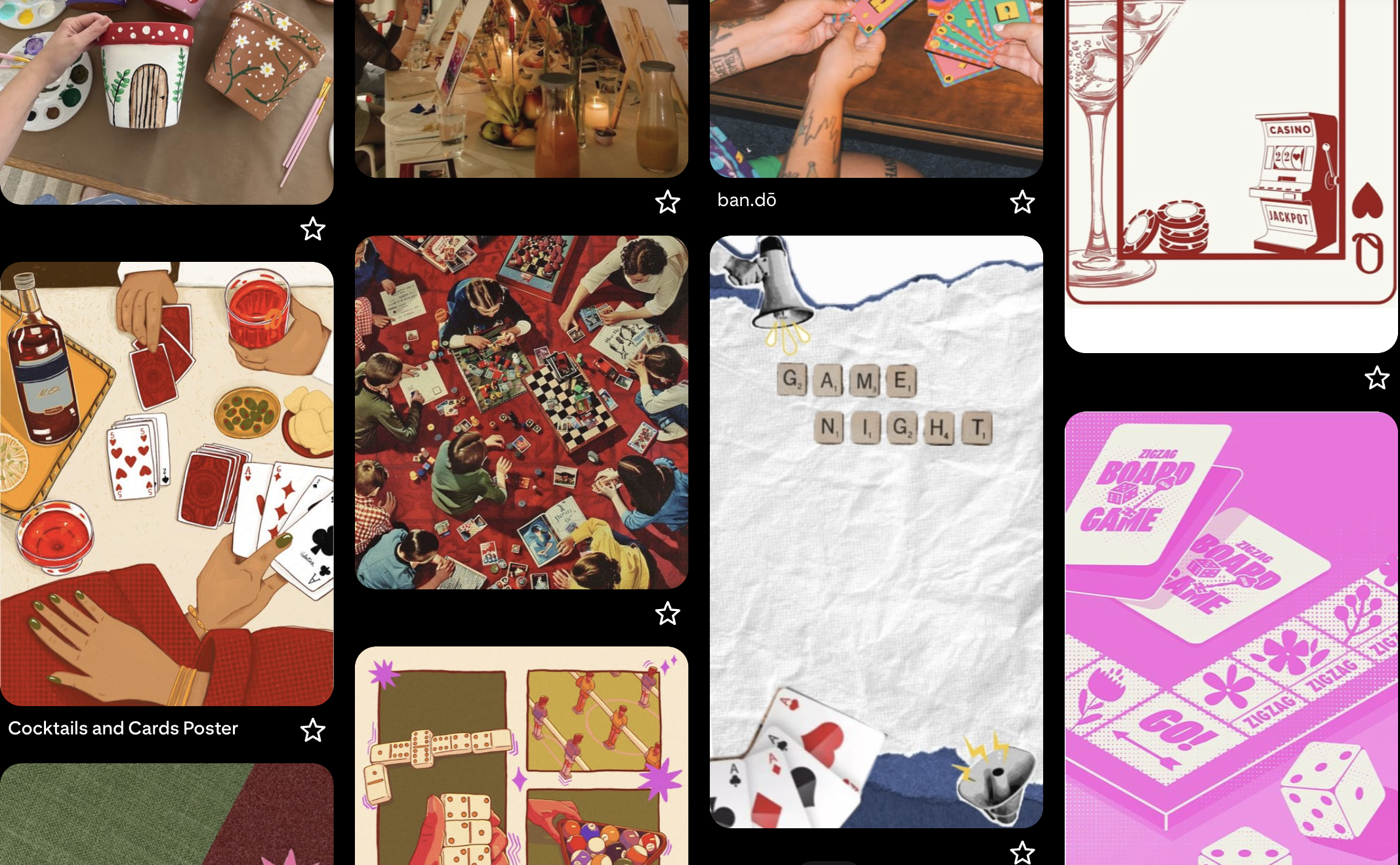
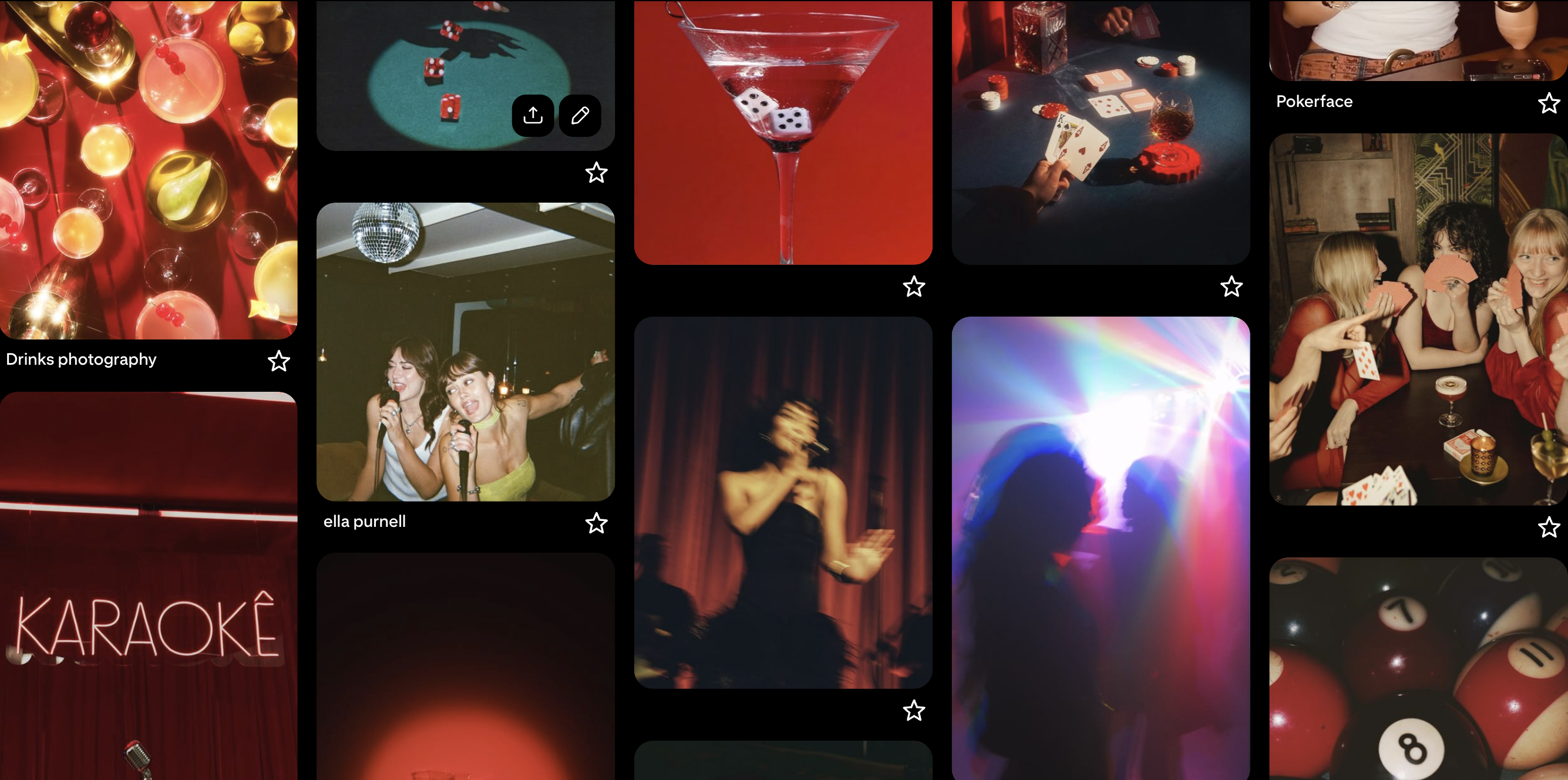
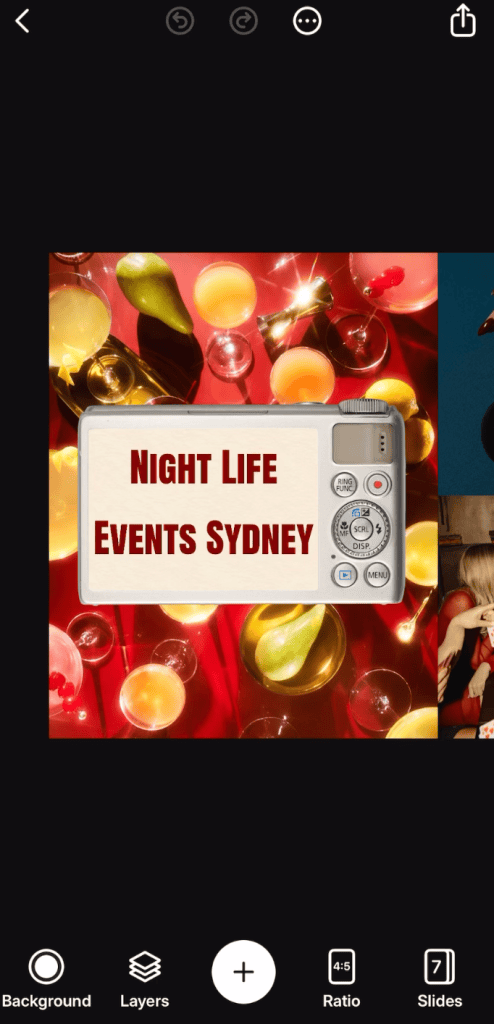
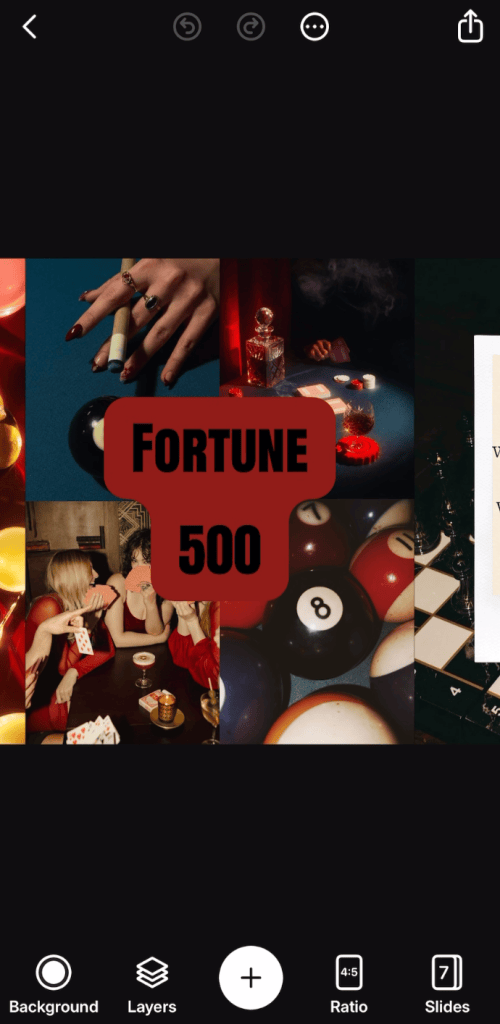
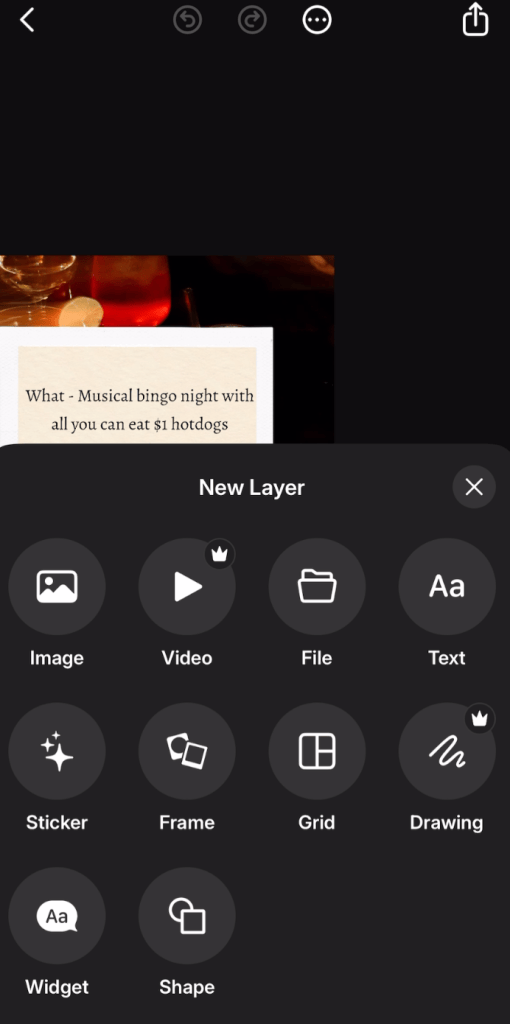
Originally there was a plan of posting in a three-post rotation; one for social activities, then local events, and finally hobby/activity clubs. However, after collecting events and information and identifying more specific event type links such as active groups and book clubs, a more exclusive post schedule was developed. This ended up strengthening the link between Kelly’s (2023) Generatives of Personalisation, Findability and Accessibility, as the change in post prototype allowed for more personalised posts and created an opportunity more specific hashtags and cover photos for enhanced findability and accessibility for its audience. As for editing, SCRL was utilised as Instagram Carousel posts are one of the specific post types it caters toward. Below you can see the layout and tool options, as well as the stylistic choices employed for each post.
The BCM114 course provides multiple opportunities to gather feedback and work in collaboration with others for collecting different perspectives on not just your Digital Artefact, but the developmental process as a whole. One such opportunity is a Peer Discussion recording, where a group of peers come together to discussion their struggles and solutions in an organic environment; of which my group’s own recording is linked below.
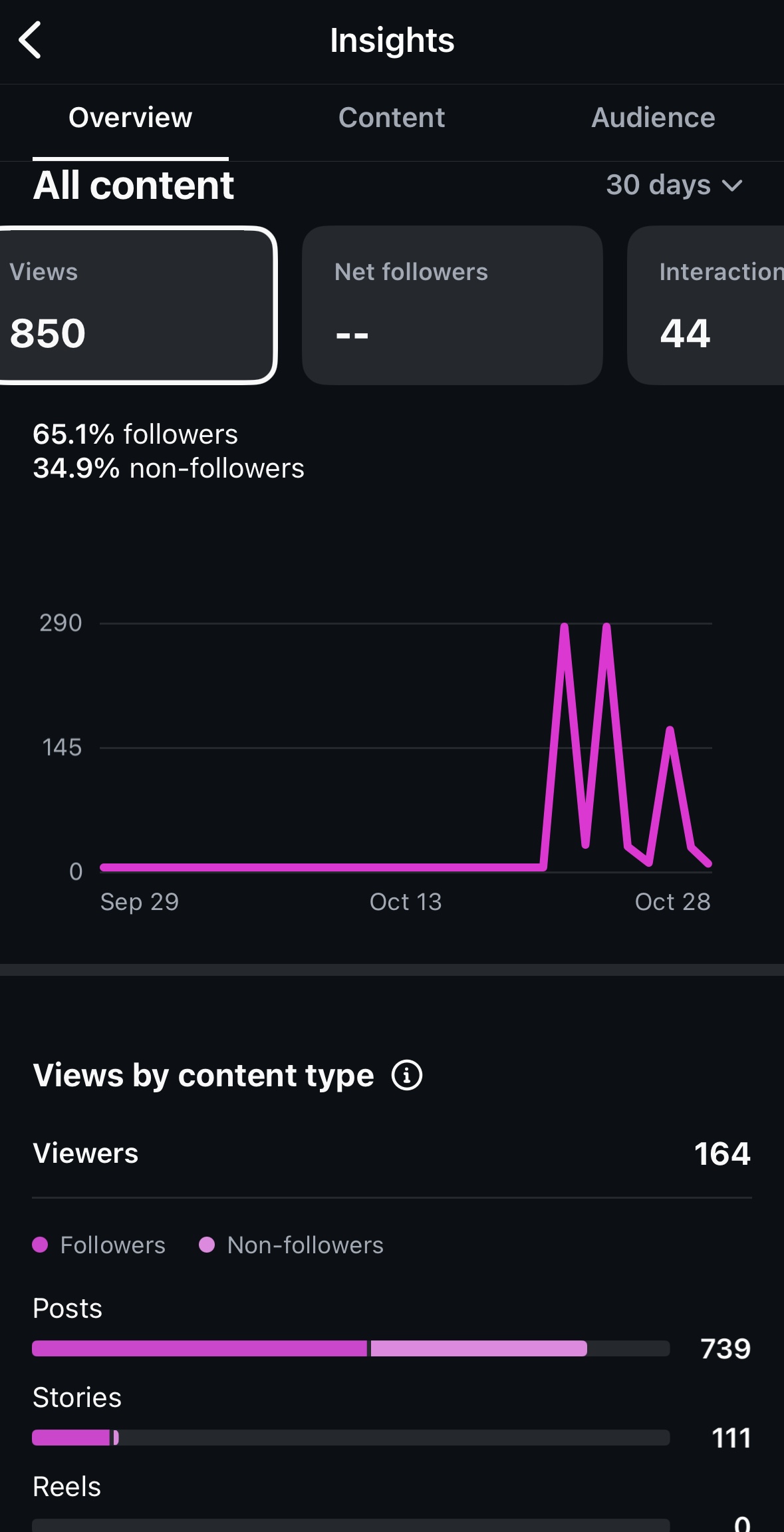
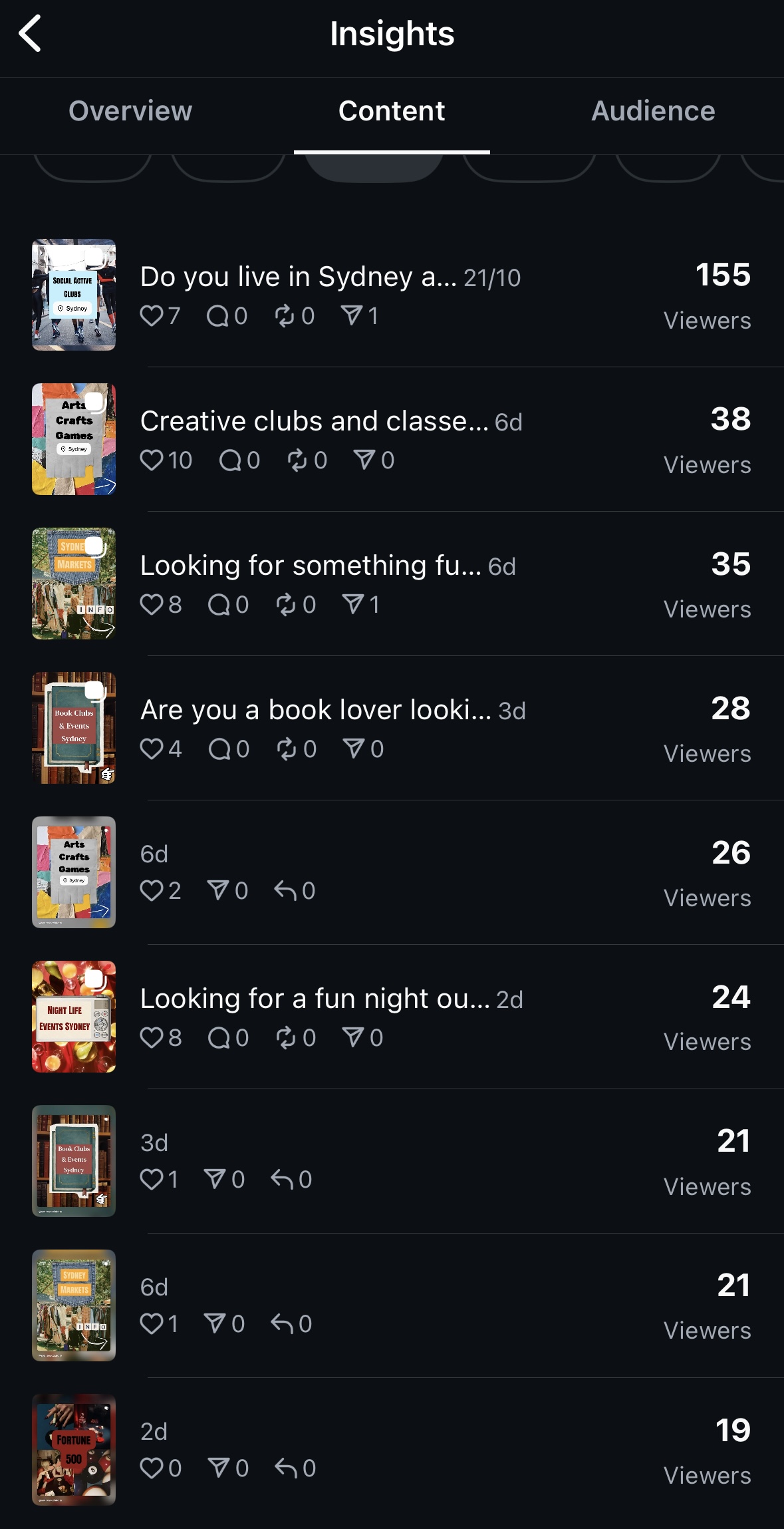
The main insights in this discussion consisted of how we applied what was learnt from round 1, weaknesses in the connection between research support, SDG, and framework, and finally which stages of the developmental process we thought were the strongest compared to the weakest. The group agreed that the initially stages of observation, ideation, and early prototyping were the most productive due to the previous experience of round one giving insight on how these stages work. Each individual identified a link they thought was the weakest on their overall Digital Artefact, some claiming their research evidence fell short, while others struggled to properly connect their framework to their SDG in an effective manner. The last insight was that the group as a whole each admitted that they seemed to do less prototyping in this round compared to the first, concluding that due to the experience of the first round they tended not to retest any prototypes they already utilised. As shown below in the analytics, views and likes were achieved on the Digital Artefact but there was a lack of feedback in other aspects. As such, this was the perfect opportunity to strengthen an area of this project that was lacking.
Throughout this process I learnt multiple lessons regarding the developmental stages of creating a Digital Artefact that targets a specific area of need in the context of a framing theme, as well as in the importance of social utility. This project has advanced my researching and designing skills as an individual and a student. Ideation is not just a simplistic tool but a multi-faceted device that can be utilised and adapted in numerous ways to identify original ideas and achieve different results. Prototyping and testing is a constant feedback loop of developing, showcasing, observing, and evolving. It is these stages that I understood the core values of media and how it revolves around the relationship between the creator and user. In the context of Local Media and Good Health and Wellbeing, the relationship of the framework and SDG furthered my understanding of digital media’s capability for social utility. It is an important tool in targeting a specific issue and population to address the social inequality and provide benefits to the community.
I believe that the Digital Artefact delivered on the SDG of Good Health and Wellbeing on a surface level, with moderately strong academic evidence on the link of loneliness, individual health and wellbeing outcomes, and socialisation and hobbies as protective factors in young adults. The Digital Artefact addressed this SDG with recommendations for developing these protective factors. However, this idea definitely could have been expanded on and enhanced for a more personalised experience. For example, if time restraints were less of a barrier, I could have attended these clubs and events and taken real photo and video media to showcase its real-life experience. Not only would this have provided an enhanced level of information and interaction with creator and audience, it also would have provided a better likelihood of audience group participation in said activities by getting a first-hand experience.
For individuals thinking of starting a similar project, I’d offer two main pillars of advice. Try everything, any idea or niche concept; develop it, brainstorm it, test it. This is the most effective method of figuring out what is a success and what is a failure and giving yourself the best opportunity for continuous feedback. Through each result you evolve your Digital Artefact a step further. For a more specific piece of advice, regarding Local Media as a framework for a Digital Artefact, I’d urge you to pick somewhere you have a personal connection to. This ensures you provide authentic media and establish a strong connection with your audience. I would highly recommend considering developing your own Digital Artefact, this has been such an enriching and informative experience, which has enhanced my personal understanding of the Internet, media, and how society influences and is influenced by it.
Reference List
Figlow, A, 2025, ‘The Complete Guide to the 5 Different Instagram Post Types’, Amber Figlow, weblog post, viewed 24th October 2026: https://www.amberfiglow.com/blog/5-instagram-post-types.
Gonçalves, M & Cash, P 2021, ‘The life cycle of creative ideas: Towards a dual-process theory of ideation’, Design studies, vol. 72.
Kelly, K 2023, Better than Free, The Technium, viewed 10th October 2026 https://kk.org/thetechnium/better-than-fre/.
Lim, M & Smith, B, 2025, The University of Sydney, The University of Sydney, viewed 10th October 2026, https://www.sydney.edu.au/news-opinion/news/2025/08/04/more-than-40-percent-of-young-aussies-are-lonely-as-experts-call-for-national-loneliness-strategy.html
Pǎtrașcu, SG & Vaida, S 2025, ‘Friendship and Wellbeing in Emergent Adults. A Systematic Review’, Studia Universitatis Babeș-Bolyai. Psychologia-Paedagogia, vol. 70, no. 1.
Pezirkianidis, C, Galanaki, E, Raftopoulou, G, Moraitou, D & Stalikas, A 2023, ‘Adult friendship and wellbeing: A systematic review with practical implications’, Frontiers in psychology, vol. 14, p. 1059057.
Thompson, A, Smith, MA, McNeill, A & Pollet, TV 2024, ‘Friendships, loneliness and psychological wellbeing in older adults: a limit to the benefit of the number of friends’, Ageing and society, vol. 44, no. 5, pp. 1090–1115.
United Nations 2025, Goal 3: Ensure healthy lives and promote well-being for all at all ages, United Nations, viewed 10th October 2026, https://sdgs.un.org/goals/goal3.


Leave a Reply